Bring Rugged Woodland Charm to Your Designs with Tree Bark
There’s a certain authenticity that comes with the texture of the forest. It’s a feeling of resilience, warmth, and connection to the earth. For designers and creators looking to inject that organic, hand-hewn quality into their work, the Tree Bark display font offers a direct path to rustic elegance. This isn't just another novelty typeface; it's a carefully crafted design asset that captures the very essence of woodland aesthetics, from the deep grooves of pine to the rough-hewn surface of a cabin sign.
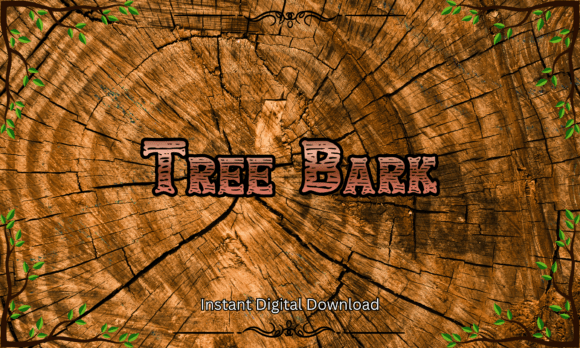
Visually, Tree Bark is a masterclass in texture. Each character is rendered to mimic the irregular, fibrous pattern of real bark, creating a bold and tactile appearance. The letterforms possess a sturdy, grounded structure, making them instantly recognizable and packed with personality. Unlike smooth, digital fonts, Tree Bark introduces an element of the handmade, the weathered, and the natural. It’s a creative font that feels less designed and more discovered, perfect for projects where you want the typography to tell a story of adventure, authenticity, and the great outdoors.
Where Rustic Typography Meets Real-World Projects
The strength of a font like Tree Bark lies in its specific, powerful applications. It’s a display font built for impact, not for body text. Its textured lettering shines in contexts where you need to make an immediate, thematic impression. Consider its role in logo design for outdoor brands, hiking gear companies, or local breweries. A logo set in Tree Bark immediately communicates values of durability, craftsmanship, and nature without a single word of explanation. It becomes a cornerstone of a brand identity that wants to feel grounded and genuine.
Beyond logos, its utility spans a wide array of creative projects:
- Packaging Design: Imagine artisanal coffee bags, organic skincare labels, or craft beer bottles where the product name is etched in a bark-like texture. It adds shelf appeal and conveys a product that is natural and thoughtfully made.
- Editorial & Web Design: Use it for feature headlines in outdoor magazines, blog banners for travel writers, or hero text on a website promoting eco-tourism. It sets a powerful mood instantly.
- Environmental & Signage: This is a natural fit for cabin signs, trail markers, park information boards, and farmhouse decor. It creates a cohesive visual language that feels integrated with its surroundings.
- Merchandise & Apparel: For t-shirt designs, stickers, and decals aimed at hikers, campers, and nature lovers, Tree Bark provides the perfect aesthetic. It translates well to print and creates merchandise that feels authentic to the lifestyle.
- Event & Personal Projects: Woodland-themed wedding invitations, rustic party decor, scrapbooking layouts, and DIY craft projects gain immense character from this typeface. It turns a simple invitation into a keepsake.
Making Informed Design Choices with a Textured Typeface
Working with a highly stylized premium font like Tree Bark requires thoughtful application. Its primary influence is on visual hierarchy and brand perception. As a bold, textured element, it naturally commands attention, making it ideal for headlines, subheadings, and call-to-action phrases. Using it for a single, powerful word or short phrase can create a stunning focal point without overwhelming the design. For brand perception, it consistently signals a connection to nature, ruggedness, and handcrafted quality—key components for building recognition in relevant markets.
Readability is a crucial consideration. At small sizes or in long sentences, the intricate bark texture can reduce clarity. This is why it’s best used sparingly and at larger scales, often paired with a clean, simple companion font. A classic sans serif font or a highly legible serif font for body text creates a balanced and professional composition. The contrast allows Tree Bark to shine as the artistic element while ensuring your message remains clear and accessible. This practice of font pairing is essential for maintaining both aesthetic appeal and functional design.
When evaluating if Tree Bark fits your project, ask yourself: Does my brand or project value authenticity, nature, or craftsmanship? Is the primary use for impactful headlines rather than extensive reading? Will the texture complement or clash with other visual elements like photography or illustration? Testing the font with your actual content and color palette is non-negotiable. See how it interacts with your images and layout.
Practically, the package provides everything needed for immediate implementation. The inclusion of both TTF and OTF files ensures compatibility across major software platforms, from Adobe Illustrator and Photoshop to Cricut Design Space and Canva. The uppercase letters, numbers, and symbols offer enough versatility for most titling needs. Furthermore, the commercial license is a significant advantage, allowing entrepreneurs and businesses to use the font in products for sale, marketing materials, and branded content without legal hurdles. This makes it a versatile design asset for both personal and professional use.
In the landscape of modern typography, fonts like Tree Bark serve a vital purpose. They provide a specialized tool for a specific mood, enabling creators to build more compelling and emotionally resonant designs. It’s a font that doesn’t just display words; it evokes a setting, a texture, and a feeling. For anyone crafting a narrative around the outdoors, adventure, or rustic living, it’s a typeface that can help build a truly memorable and cohesive visual identity.